"Small batch" is one of those phrases that's been used by everyone from us to the supermarket aisle. Here's what it actually means at The Keg Stand — and why it's the reason we're built the way we are.
The basic math
When a big regional brewery brews a beer, they make 60 barrels of it — call it 1,800 gallons. That beer then goes into kegs and cans, sits in a warehouse, gets distributed on a truck, sits at the distributor, gets distributed to bars, and eventually pours for a customer somewhere. By the time it lands in your glass, the beer is anywhere from a few weeks to a few months old.
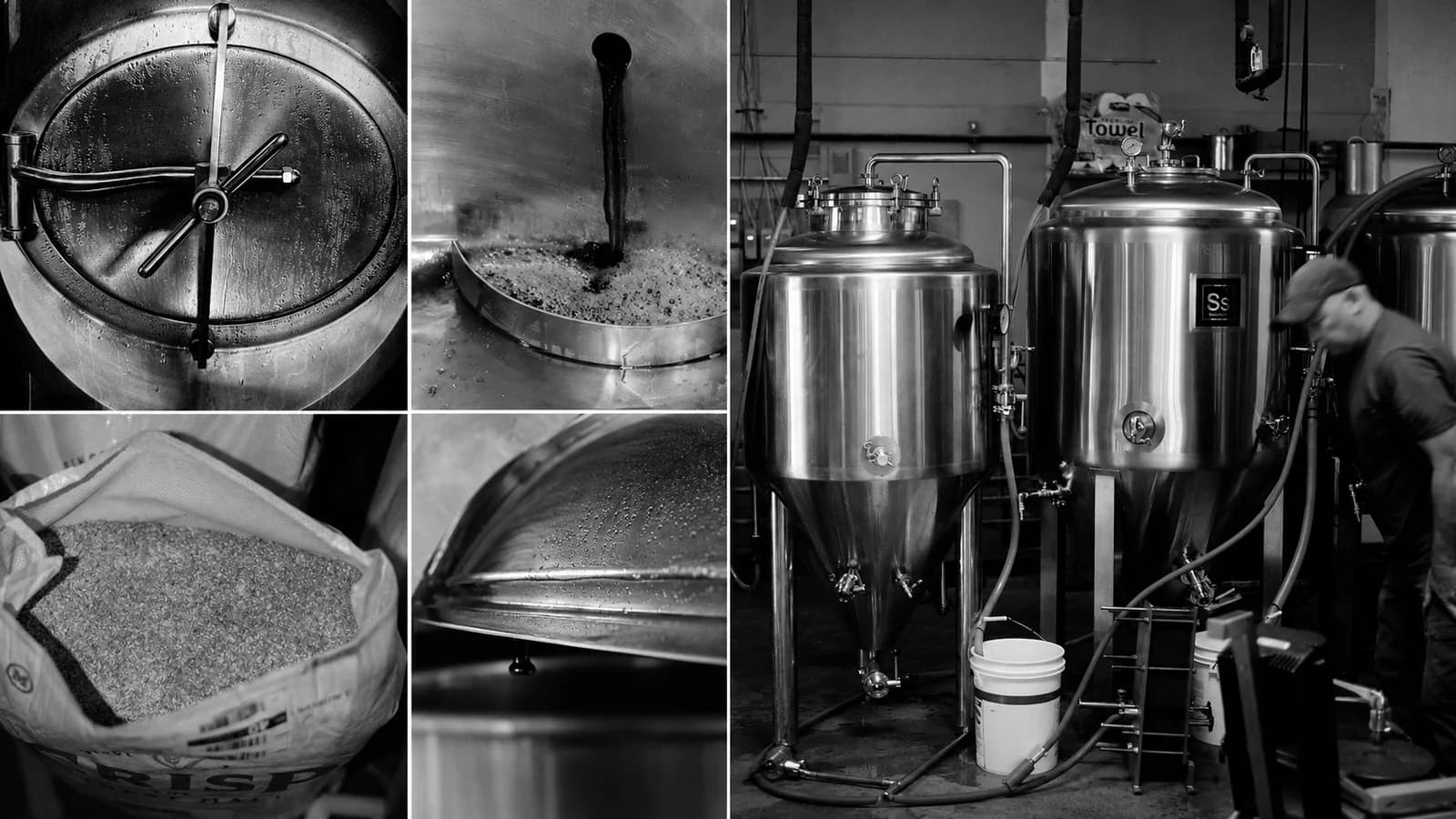
When we brew a beer, we make a small batch — measured in single-digit barrels, not dozens. That beer goes from our fermentation tanks to our serving tanks to the tap on our bar. The keg you're drinking from was tapped this week. The walk from the back of the brewery to the glass in your hand is short — steps, not miles.
That's it. That's the difference.
Why it matters
Beer is at its best fresh. This is especially true for hop-forward styles — an IPA loses its bright citrus character within weeks of being packaged. By month three it's a different beer, and not in a good way. The hop aroma compounds literally break down on a shelf.
The flip side is true for some traditional styles — a barrel-aged stout can benefit from months of conditioning. But for the bulk of what we brew (pale ales, lagers, hazy IPAs, the easy-drinking session stuff), fresher is straight-up better.
Small batch means we never have to compromise on that. There's no warehouse stage where the beer is sitting around losing its edge.
You'll never see the same twelve taps for a year
The other thing small batch gets us is flexibility. Because each batch is small and turns over fast, we can:
- Brew a beer once, see how it lands, and decide whether to brew it again.
- Run seasonal styles when they're actually in season instead of brewing the same year-round lineup forever.
- Take swings on weirder beers without committing 60 barrels of inventory to a maybe-it-works idea.
If you came in last month, half the tap list might be different now. If you come in next month, half of this tap list will be gone. That's intentional.
The honest trade-off
Small batch isn't only upside. Two real downsides we own:
- Your favorite beer might not be on. If you came in on a Friday and had something you loved, there's no promise it'll be back next week. We try to bring favorites back, but we can't guarantee it.
- There's less of everything. When a beer goes well it can sell out in a week. The price you pay for "always fresh" is that "always available" doesn't apply.
The tap list page is always current — it updates from our point-of-sale system as kegs get tapped and kicked, so you can see what's actually on before you drive over.
How big is small?
For context: we'd be classified as a nano brewery by industry definition — generally under 1,000 barrels of total annual production. Compare to the Brewers Association's definition of a craft brewery, which goes up to 6 million barrels a year.
We're not trying to grow into a regional craft brewery. The whole point of the model is that what we lose in volume we gain in freshness, variety, and direct connection to the people drinking the beer.
What this means for you
If you're used to bigger breweries, the practical differences when you come in:
- The beer in your glass is at its peak.
- The tap list is curated more like a chef's menu than a wholesale catalog.
- The person who made the beer is probably twenty feet from you.
- Half pints exist on purpose — try more, commit to less.
If you came in expecting the same twelve cores you'd find at a bigger brewery, this is going to feel different. Different in the way we'd want it to feel.
Pull up a stool. We'll pour you something fresh.
Come visit
1016 Railroad Ave, Novato, CA 94945. Same hours every week. New beer pretty often.